Seaweed Polysaccharides: The Secret Behind Modern Biostimulants and Better Plant Growth
Introduction
Modern crop nutrition is no longer based solely on supplying essential nutrients. Today, growers also rely on bioactive compounds that help plants maximize their natural physiological potential. Among the most important of these compounds are seaweed polysaccharides, naturally occurring complex carbohydrates that play a central role in the effectiveness of seaweed extracts used in agriculture.
What are Seaweed Polysaccharides?
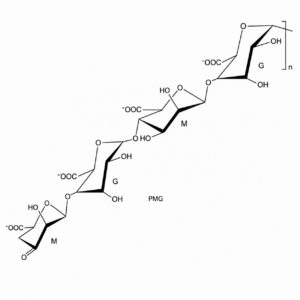
Seaweed polysaccharides are complex carbohydrates found in marine algae. They form the structural framework of algal cell walls and help seaweeds withstand salinity, drought, UV radiation, and temperature fluctuations. Major polysaccharides include alginates, laminarin, fucoidan, ulvan, carrageenan, and agar.
Why are they important?
Unlike conventional fertilizers, polysaccharides do not primarily supply nitrogen, phosphorus, or potassium. Instead, they function as plant biostimulants, activating natural physiological processes that improve root development, nutrient uptake, photosynthesis, stress tolerance, immunity, and crop productivity.
Plant Immunity
Plants recognize specific polysaccharides through cell-surface receptors, triggering defense pathways involving salicylic acid, jasmonic acid, and ethylene, while increasing the activity of defensive enzymes such as PAL, POD, PPO, and SOD.
Stress Tolerance
Seaweed polysaccharides help crops tolerate heat, drought, salinity, and cold by protecting plant cells, improving water balance, reducing oxidative stress, and maintaining ionic balance.
Root Development
They stimulate lateral root formation and root hairs, increasing root surface area and improving water and nutrient absorption.
Nutrient Use Efficiency
Polysaccharides enhance root activity, support beneficial soil microorganisms, improve nutrient availability, and facilitate nutrient transport within the plant.
Soil Health
Compounds such as alginates improve soil aggregation, water retention, cation exchange capacity, and create a healthier root environment.
Photosynthesis & Fruit Quality
Research indicates improvements in chlorophyll stability, photosynthetic efficiency, fruit uniformity, firmness, soluble solids (Brix), and postharvest quality in many crops.
Biostimulants, Not Plant Growth Regulators
Seaweed polysaccharides do not directly alter plant hormone balance. Instead, they stimulate the plant's own biological systems, making them true biostimulants rather than plant growth regulators.
Kayan Products
Kayan integrates high-quality seaweed extracts rich in polysaccharides into products such as ALGA FERTI GOLDl , SEAWINNER 818 and KAYAN MAXIK… ETC to support root growth, nutrient efficiency, and stress tolerance as part of advanced crop nutrition programs and Increase crop production .
Conclusion
Seaweed polysaccharides are among the most valuable bioactive compounds in modern agriculture. By enhancing natural plant processes rather than acting as conventional fertilizers, they contribute to stronger roots, improved nutrient efficiency, greater stress tolerance, and higher crop quality and productivity.